What You Need to Sell a Car: The Checklist
What you need to sell a car comes down to a few documents and a little prep. Here’s the checklist, why each item matters, and how to sort out a missing title or a loan.
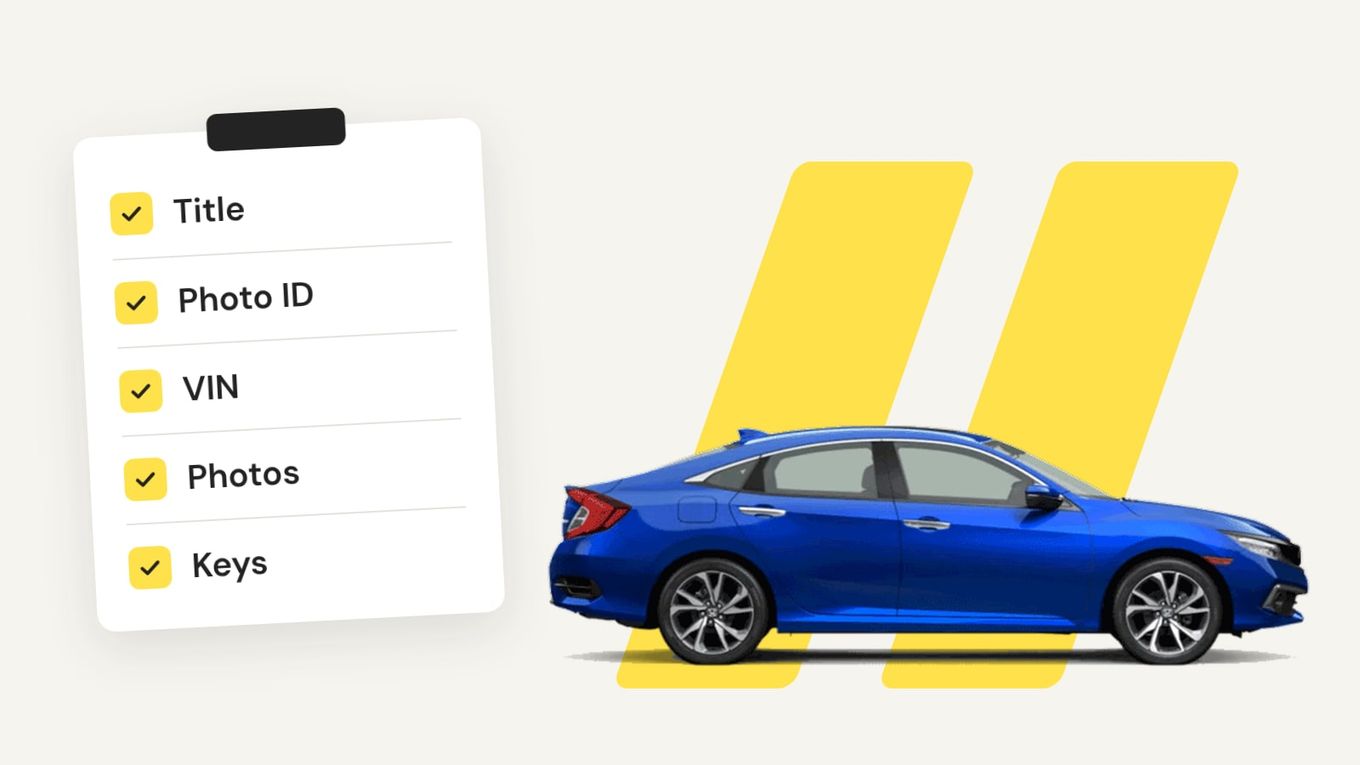
To sell a car, you need the title in your name, a photo ID and the car’s VIN. If you still owe money on it, the loan has to be paid off and the lien released. Have photos of the car and every key ready too. The rest depends on your state and on who’s buying.
The checklist
| What you need | Why |
|---|---|
| The title, in your name | It proves you own the car, and you sign it over to the buyer |
| A photo ID | It shows you’re the person on the title |
| The VIN | It identifies the car for offers, history reports and paperwork |
| A lien release, if you owe money | Until the loan is paid off, the lender has a claim on the car |
| Photos of the car | They show its condition before the buyer sees it |
| Every key and remote | The buyer expects them with the car |
| The odometer reading | A written mileage disclosure is required for 2011 and newer cars |
| A smog certificate, in California | California sellers have to provide one, unless the car is less than four years old |
| A release of liability, after the sale | It moves responsibility for the car to the buyer |
The title
The title, or certificate of title, shows who owns the car and whether a lender has a claim on it. When you sell, you sign it over to the buyer. In California, the seller signs on line 1.
- If there are two owners. Check the word between the names. In California, if they’re joined by “and,” every owner has to sign. If they’re joined by “or,” one signature is enough. If there’s nothing between them, the DMV treats it as “and.”
- If you’ve lost it. Get a replacement before you sell. In California that’s form REG 227, and if a lender is listed on the car, part of the form has to be notarized. Other states have their own form for a duplicate title.
- If it isn’t in your name. For an inherited car, or one you never transferred into your name, you’ll need extra paperwork before you can sell. Ask your state’s DMV what applies.
A photo ID
Bring a government-issued photo ID, such as a driver’s license, so the buyer can match you to the name on the title. Dealers and online buyers, including us, ask for one. It’s a sensible check in a private sale too, in both directions.
The VIN
The vehicle identification number identifies your exact car. Online buyers use it to build an offer, and anyone can use it to run a history report. According to the Texas DMV, you’ll find it:
- on the driver’s side of the dashboard, where it meets the windshield (look from outside the car);
- on a sticker in the driver’s door or door jamb;
- on your title and your insurance card.
If you still owe money
While you have a loan, the lender has a lien on the car, and it releases the lien only once the loan is paid in full. Here’s how it usually goes:
- Ask your lender for the payoff amount. It can differ from the balance on your statement, because of how interest is calculated or fees still owed, so get the exact figure.
- Pay it off. Many dealers and online buyers will pay the lender for you out of the sale. In a private sale, you can meet the buyer at your lender’s office or use an escrow service.
- Get the lien released. U.S. Bank, for example, tells borrowers to allow up to 10 business days. In California, if your title is electronic, the DMV issues it to you automatically once the loan is paid.
Photos of the car
Buyers want to see the car before they come out, and online buyers use photos to confirm its condition. Shoot a clean car in daylight:
- all four sides, and the front and back;
- the interior, front and back seats;
- the dashboard with the car running, so the mileage and any warning lights show;
- the tires;
- any damage, up close.
Photos that show the car as it really is, dents included, mean fewer surprises at pickup, and an offer that holds.
Keys, records and the rest
- Every key and remote.
- Service records, if you have them. They help a buyer trust the car’s history.
- Clear out the car: the glove box, the trunk, toll tags, garage remotes, and your phone from its Bluetooth and apps.
After the sale
Rules vary by state. In California:
- File a release of liability with the DMV within 5 calendar days. Once it’s recorded, parking tickets, traffic violations and civil claims from after the sale are the buyer’s responsibility.
- Plates generally stay with the car. In other states you may have to take them off.
- Record the mileage. For cars from model year 2011 on, the odometer reading has to be disclosed in writing when ownership changes.
- Cancel your insurance after the sale, not before.
What we need at Sell My Car Online
To buy your car, we need:
- a valid title in your name, with no loans or liens on it;
- a government-issued photo ID;
- the VIN;
- photos of the car, so we can confirm its condition.
If you still owe money on the car, pay off the loan and get the lien released first. Then get a free offer. It’s good for 7 days or 300 miles, there’s no obligation, we pick the car up from your driveway for free, and we pay you at pickup.
For how selling to us compares with a private sale, a trade-in and other online buyers, see every way to sell your car.
Questions people ask
Can I sell a car without a title?
Usually not, because the title is what proves you own the car. If you’ve lost it, get a replacement from your state’s DMV before you sell. In California, that’s form REG 227.
Do both owners have to sign the title?
It depends on how the names are joined. In California, “and” means both owners sign, and “or” means either one can. If there’s no word between the names, the DMV treats it as “and.”
Can I sell a car I still owe money on?
Yes, but the loan has to be paid off and the lien released before the title can change hands. Many dealers and online buyers pay the lender out of the sale. We need the lien released before we buy.
Do I need a bill of sale?
It depends on your state, but it’s worth writing one either way. It records the price, the date, the mileage and who bought the car, and you keep a copy. California’s DMV has a form for it (REG 135).
Sources
Checked October 23, 2026.
- California DMV: title transfers and changes, co-owners, private-party sales, electronic lien and title, release of liability, smog inspections, license plates and new odometer disclosure requirements (December 2021)
- Texas DMV: how to find the VIN
- U.S. Bank: lien release timing
- Consumer Financial Protection Bureau: payoff amount vs. current balance